
Narcissism is a behavior where someone becomes overly self-centered and focused on boosting their own image. They often believe they’re better than others and struggle to understand or care about other people’s feelings.
Love, as they say, is blind. And that’s not just a quote — it’s a reality for many. We don’t always get to choose who we fall for, but what is in our control is whether we continue to stay in love with someone who isn’t good for us.
Walking away from a narcissist is never easy, especially when the lines between love and control have been blurred. But it becomes necessary when love comes at the cost of your well-being.
In this article, we’ll talk about a few ways to start healing after being in a relationship with someone like that. It’s not professional advice but a small, honest guide to help you feel a little more seen and supported as you move forward.
1. Acknowledge What You Went Through
The very first step toward healing is accepting what happened, no matter how difficult it is. It’s important to admit that things didn’t work out the way you hoped and that you were caught in a difficult, confusing situation.
It hurts, but we’re human, and everyone makes mistakes. You trusted someone who wore a mask of goodness, charm, and gentleness. Now that it’s over, it’s important not to be in denial. Acceptance is the first step toward healing.

It’s normal to feel anger, sadness, or frustration, and you should allow yourself to feel all of it without judgment. These feelings are part of the process, and recognizing what you went through helps you start reclaiming your peace.
According to a renowned clinical psychologist and author Dr. Ramani Durvasula, acknowledging emotional manipulation and its impact is key to breaking the cycle of self-blame and starting the journey toward recovery.
It’s not about blaming yourself but about understanding the situation clearly, which empowers you to move forward. So, give yourself permission to feel all your feelings, and accept that the experience was real. Remind yourself that it’s okay to have made that mistake. This awareness is your first real step to freedom.
2. Cut Ties, Even If It Hurts
Cutting ties with a narcissistic person is rarely simple because they don’t just let go. They’re often obsessive in nature and thrive on control. When they sense you’re slipping away, they might pull out every trick to keep you close — guilt-tripping, love bombing, or suddenly acting like the version of themselves you once fell for.
Even after you’ve left, they may still try to find excuses to reach out, not to reconnect but to keep you emotionally tangled. That’s why cutting ties isn’t just important; it’s necessary for your healing. It helps you take back control over your emotions, your space, and your life.
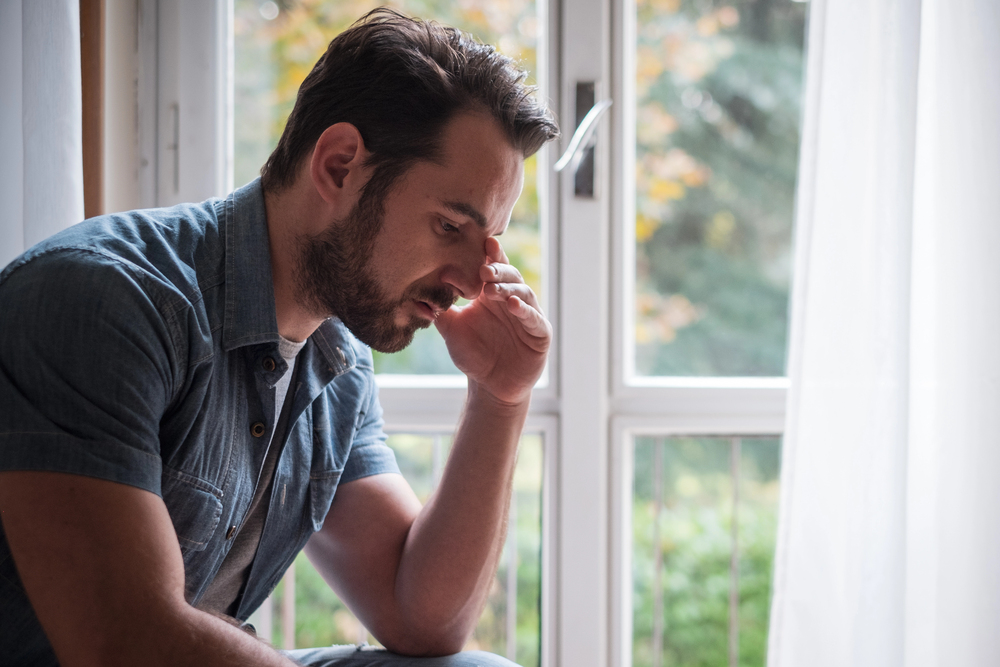
Unfriend them, block their number, restrict their access to you. Don’t let them draw you into conversations that reopen wounds. The only exception is if you’re forced to maintain contact, like in co-parenting. In such cases, keep all communication minimal, meet in public settings, and always have a neutral third person present if possible.
You can’t heal in the same environment that broke you. Creating distance, real, firm distance, is one of the first acts of self-respect you can give yourself.
3. Reconnect With Yourself
After going through something traumatic that affected your mental and emotional health and changed you as a person, you must find your way back to yourself. I know it’s easier said than done, but this is necessary for you to reclaim your power.
Toxic relationships, especially with narcissistic people, often leave you feeling like a stranger to your own self. You might not recognize your voice, your needs, or even your reflection anymore. Reconnecting with yourself is about picking up those pieces and gently putting them back together.
Maybe you used to paint, dance, write, or go on long drives just to clear your head. Go back to those things, even if you don’t feel like it. Doing something that once made you feel alive can slowly help you remember who you are underneath all the hurt.

The process won’t be easy, and progress might feel slow, but try to make sure it’s steady. I know how chaos shifts your way of dealing with things, and you start living in a constant fight-or-flight mode — always on edge, constantly bracing for something. But healing needs softness. It needs a pause.
4. Build Boundaries That Protect You
This is one of the most important steps to get over that hurtful experience and move forward in a mindful and more aware way.
After leaving a narcissistic relationship, your sense of boundaries is often blurred. You may have gotten used to over-explaining yourself, people-pleasing, or ignoring your own needs to accommodate others. However, that needs to change. You must set some much-needed and firm boundaries with basically everyone — your family, friends, coworkers, acquaintances, everyone.

Now, the important thing to understand is that setting boundaries is not about pushing people away or building high walls around you so no one can reach you. Rather, it’s about creating limits that protect you from getting hurt again. Boundaries are a must for everyone, regardless of their age or experience. They can be emotional, physical, and even digital.
They help you understand what to tolerate and what not to. They allow you to protect yourself from people who don’t care how their actions impact you. So, say no without feeling guilty whenever you sense someone is trespassing, guilt-tripping, or trying to gaslight you.
5. Seek Support That Feels Safe
Most people who go through something traumatic, especially an emotional rollercoaster relationship with a narcissist, end up isolating themselves. They shut everyone out and prefer to be alone. And honestly, it makes sense. Sometimes, you just need silence to process everything.
While it’s okay to sit with yourself and figure out what you want next, don’t push away the people who are genuinely trying to be there for you. Healing needs support. You don’t have to do it alone.
The best thing you can do is seek professional help, especially if the pain feels too heavy to carry on your own. A licensed expert has the proper knowledge and tools to guide you through your healing, and if needed, they can suggest treatment or medication that fits your condition.

But if you’re not at that point yet, that’s okay too. Not everyone wants to talk to a therapist right away or open up in big groups. Sometimes, support just looks like a close friend who listens without interrupting, a sibling who checks in, or someone who simply reminds you that you matter.
Just make sure you talk to someone who really gets you, someone who won’t judge or throw blame around. Because not all advice is helpful, some people might mean well but still say the wrong things. “Why didn’t you leave sooner?” or “Are you sure it was that bad?” Comments like these only make things worse. That’s why safe support matters.
6. Give Yourself Time to Heal
Some people believe that when they start working on themselves, they’ll follow a perfect plan, talk to a therapist, maybe take a few medicines, and just like that, they’ll become a healed person with no aftereffects.
But it doesn’t work that way. The path toward healing is not straight. It’s messy and full of bumps. One day, you might feel like you’ve made real progress, and the next, it might feel like you’ve taken a big step back. That’s okay. It happens. Triggers can return, old feelings can resurface, and some days will feel heavier than others.

We live in a world that loves quick fixes. But emotional healing takes time. So don’t push yourself to “move on” within a week or even a month. Let things take their time. Go slow if you need to. What worked for someone else might not work for you, and that’s completely okay.
You don’t have to check off anyone else’s boxes. This is your journey. Take it in a way that feels right to you.
Final Thoughts:
Healing after loving a narcissist is never easy. It takes courage to face the truth, cut ties, and rebuild yourself. But remember, every small step you take is a victory.
Be kind to yourself through the ups and downs. You deserve peace, happiness, and relationships that lift you up, not tear you down.
This article is based on general patterns and observations. It is not a substitute for professional advice.