
Parenting is a huge responsibility, and often, it feels like an emotional rollercoaster. There are days when everything goes smoothly, your child listens, and you feel like you’re doing something right. But then there are days when things feel completely out of control, and you end up losing your patience over the smallest things.
Many of us were raised with a more traditional parenting style, one that focused on discipline, instructions, and keeping things in order. It wasn’t always about understanding a child’s emotions or connecting with them on their level. However, studies show that overly strict parenting doesn’t always lead to well-behaved children.

In fact, it often does the opposite. When kids are constantly surrounded by harsh rules or too many restrictions, they start pushing back. Over time, this can turn into resistance, frustration, or even full-blown rebellion.
Children respond better when they feel seen, heard, and involved — and that’s where playful parenting comes in.
Playful parenting isn’t about letting go of boundaries or routines. It’s about finding small, creative ways to connect while guiding your child. It turns everyday challenges into chances to build trust, teach cooperation, and make discipline feel less like a power struggle.
Here are some simple ways to bring more playfulness into your parenting style and make discipline feel less like a battle and more like teamwork.
1. Turn Routines into Games
Routines can easily become boring, especially for children. What feels like a simple task to us, like brushing teeth, getting dressed, or tidying up, can feel dull and repetitive to them. And when something feels boring, kids are less likely to cooperate. It starts to feel more like a chore and less like something they want to be part of.
That’s where a little creativity can help change the experience. Turning routines into playful moments makes things more engaging and gives kids a sense of fun and control.
For example, you can turn tooth brushing into a two-minute dance challenge or make getting dressed a race against the clock. Cleaning up toys can become a color-sorting game, or you can set a one-minute timer and see who picks up the most blocks.
When routines feel like games, children are more likely to join in willingly, not because they’re afraid of being scolded, but because they’re actually enjoying the process. It becomes less about pushing them and more about inviting them in, and that makes a big difference.
2. Use Pretend Play to Teach
Children naturally learn through play, and pretending is one of their favourite ways to make sense of the world around them. Whether they’re playing teacher, doctor, shopkeeper, or superhero, they’re not just having fun but also processing ideas, exploring different emotions, and learning how things work.
You can use pretend play to gently teach your kids important lessons without turning them into long and boring lectures. For example, if your child finds it hard to share stuff, you can act out a story with their toys where two characters learn to take turns.
Similarly, if your child struggles with being patient, you can set up a pretend restaurant where they’re the customer and you’re the chef. They place an order and have to wait while you “cook” their meal. This helps them practice patience in a fun and light-hearted way.
When children are involved in a story or role, they become more open to learning. They don’t feel like they’re being corrected or scolded. Instead, they feel like they’re part of something fun and meaningful, and that’s when the message really sticks with them.
3. Give Choices, Not Commands
Being a parent, it’s very easy to become excessively bossy and commanding with your children, and sometimes, you end up being more of a dictator than a parent. Yes, it’s true. I have personally seen some people become so controlling that their kids start feeling suffocated. This kind of parent-child relationship is super unhealthy and will ultimately push your kids away from you.
Kids often react better when they feel like they have a say in what’s happening. Instead of giving orders that might feel strict or bossy, offering simple choices lets them feel involved and respected.
For example, instead of saying, “You have to finish the lunch I make for you,” you can ask, “Would you like to eat pasta or a sandwich today?” Or rather than saying, “Wear the jacket, otherwise you can’t go out to play with your friends,” you can say, “How about you put on your favorite jacket today that makes you look adorable, or maybe that new sweater?”
This small shift turns a command into a fun decision, which not only encourages children to be more willing to cooperate but also makes them feel included in the decision-making.
4. Use Role-Play to Solve Disagreements
When kids get into arguments, whether over toys, turns to play their Xbox or PS4, or who gets the bigger slice of cake, it can be very tempting to step in and fix it for them. But jumping in too quickly doesn’t always help them learn how to handle conflicts on their own.
That’s where role-play can come in handy.
Instead of lecturing them about sharing or fairness, guide them through the situation using pretend play. For example, you can act as a referee or a character involved in the conflict, and let them play out how to respond. You can even switch roles, let them be the adult and you be the upset child, so they can see things from a different point of view.

This playful approach helps kids think through problems, express their feelings, and come up with solutions in a way that feels safe and fun. It also teaches empathy, communication, and problem-solving without turning it into a serious confrontation.
5. Make Behavior Charts with Fun Rewards
Children thrive when they know what’s expected of them, especially when they can see their progress. Behavior charts are a simple yet effective way to track habits and encourage good choices, but only if they’re fun and age-appropriate.
Instead of using charts to punish or call out what went wrong, focus on the positives. Highlight the things you want to see more of, like brushing teeth without reminders, packing away toys, or using kind words with siblings. You can use stickers, stars, or even doodles to mark their achievements.
To keep kids motivated, add small rewards that match their efforts. It doesn’t always have to be a toy or treat — it could be an extra bedtime story, choosing what’s for dinner, extra playtime in the park, or picking a movie for family night. The goal is to help them feel proud of their actions and excited to stay consistent.
When behavior charts feel like a game and not a rulebook, children become more engaged and take ownership of their habits. It turns everyday tasks into small wins they actually look forward to.
6. Join the Play (Not Just Supervise)
Parents often don’t get involved in children’s activities because either they’re too busy juggling other responsibilities, tired, or simply not interested.
They find themselves sitting on the sidelines — watching, supervising, and giving instructions from a distance. But for children, the real magic happens when we step into their world and play alongside them.
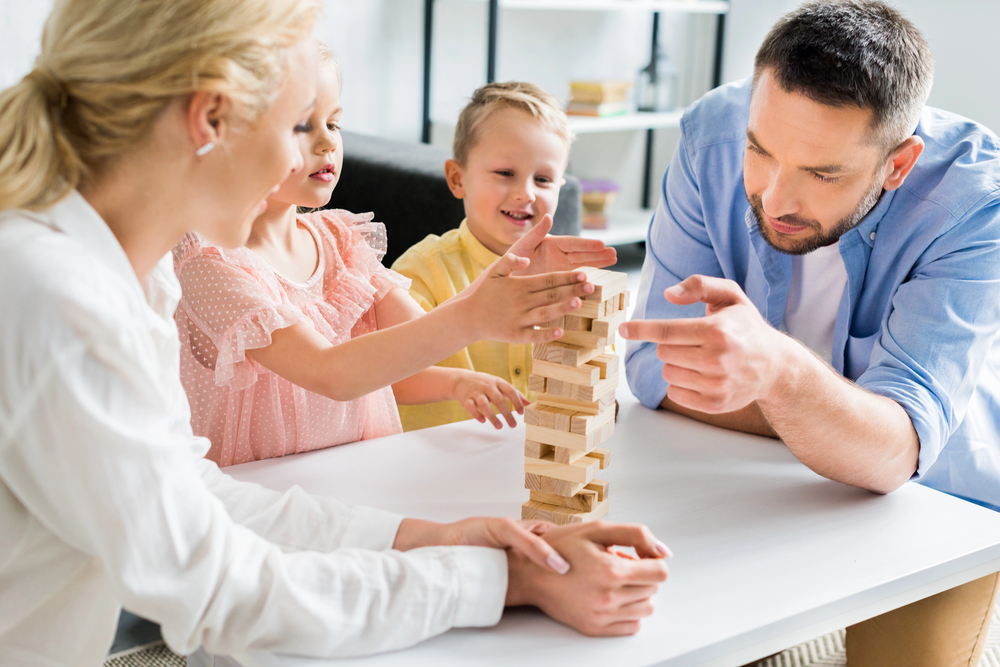
Joining your child in play doesn’t mean you have to be over-the-top or perform like a kid. It can be as simple as playing hide and seek together, playing the games they love, or making up a silly story with their toys. What matters is that you’re present and genuinely involved in the activity.

When you play with your child, you’re not just entertaining them but also building trust, strengthening your bond, and showing them that their world matters to you. It also creates a safe space where they’re more likely to open up, express emotions, and model positive behavior.
See, kids don’t always need our lectures. Sometimes, a few minutes of our time, shared laughter, and imagination can do much more than words ever could.
7. Let Them “Be the Boss” Sometimes
Kids are constantly being told what to do, and of course, it’s a parent’s job to guide their kids and tell them what to do, when to do it, and how to do it. However, while structure is essential, giving them small chances to take the lead is equally crucial to boost their confidence and cooperation in a big way.
Letting your child “be the boss” doesn’t mean handing over all control. It simply means allowing them to take charge of a few harmless things. Maybe they get to choose the bedtime story, decide the rules of a silly game, or plan a mini picnic at home. You can even play along and let them be the “teacher” or “parent” for a few minutes — it might surprise you how seriously they take the role.
These moments help children feel respected and capable. When they see that their opinions matter, they’re more likely to listen, follow the rules, and handle responsibilities better in the long run.
So, every now and then, hand them the reins. It’s a small gesture, but it can have a significant impact on their growth, confidence building, and overall personality.
Final Thoughts:
Playful parenting isn’t about being silly all day or avoiding discipline. Rather, it’s about finding smart and gentle ways to teach, guide, and bond. When children feel safe, understood, and involved, they’re more likely to behave well and thrive.
So, next time things get tough, take a breath and try to bring in a little play. Sometimes, a little trick or even a funny voice can go a lot further than a long explanation.